
Uncategorised
Boot-Lickin’ Good – Get Your Kink On Part 5.

Apr
Have you ever faced a tough customer enquiry? A difficult question about a product that you didn’t really know anything about? Wanted to write an awesome product description but didn’t really know where to start? In this blog series we will collect some handy information for you on product types, their uses and functions and different kinks that you can – or might already – cater to.
To kick things off, we collated a small guide to the different levels of BDSM play and the bestselling products you can offer to your customers who are looking to get into the scene – whether they are making their first steps with some light blindfolded tickling or they are looking to collar their first slave. This is by no means a comprehensive guide to BDSM, but it might help you get that pesky description done or complete a sale with a customer who is looking for your advice and product knowledge.
This is our fifth and final entry in this blog series about BDSM, check out the first part about Sensation Play here, the second entry about Bondage here, the third post about Impact Play here, and the fourth post about Electrical Play here.
Master/Slave Training

As with all BDSM play, the observation of the Safe, Sane, Consensual cornerstones is crucial to ensure an enjoyable experience for all parties even (or especially) when it comes to players who live in 24/7 BDSM relationships.
Slave usually refers to a submissive person who is in a consenting, often 24/7, Total Power Exchange (TPE) type of relationship with a Master. Slave training usually involves negotiations of terms, considerations of consent and power dynamics and establishment of rules and expectations that all lead to the signing of a final contract usually accompanied by a momentous collaring ritual. While training is an ongoing process in Master/Slave relationships, the initial training period lays down ground rules about the Master’s principles (their core general and ethical values), protocols (rules for the behavior and attitude of the submissive), preferences (the dominant’s personal likes and dislikes) and aligns the Slave’s perceptions with their status.

The sub needs to accept and internalize that they are no longer free, but indeed owned by another. They will be told how to behave, speak and even how to think to please the dom, while their possible rewards for good servitude and punishments for disobedience are also set out in advance. The Slave’s freedoms are stripped away progressively by slowly increasing control over food, sleep, hygiene, free time or whatever is agreed by both partners beforehand. Psychological resistance to this subduction is usually smoothened out with communication, re-negotiation and by the implementation of new techniques and tools.
The training is not a one-way street though, the dominant also needs to learn about their submissive, their personality and capabilities as well as their weaknesses. Masters are advised to keep daily journals on their Slave’s progress and transgressions as well as their own feelings and thoughts about the relationship. This helps Masters become more confident, aware, trustworthy and knowledgeable dominants, which in turn helps submissives serve them better.
Areas of Training

Physical Training – this covers both position and posture training that sets out how the dominant wants their Slave to carry themselves, how to walk, move and kneel. Physical training has mental benefits too, as subs can ease into the idea of being told what to do and how, helping them getting into the habit of obedience.
Verbal Training – this largely consists of the address the dominant expects the Slave to use every single time they speak to them (mostly Master, Mistress, Sir or Ma’am). Slaves needs to learn never to address their Masters informally as it will result in punishment and correction. There might be further restrictions to the use of specific words or turns of speech as agreed previously by the partners.
 Mental Training – this includes memorization and meditation exercises, specific assignments that train the sub to bend their will towards the dom’s wishes, and written tasks to gain new skills and knowledge. This helps submissives be more persistent, determined, relaxed and focused in their servitude. Orgasm control can become a part of mental training as the dominant’s control and ownership is reinforced with the practice.
Emotional Training – activities encouraged and assigned by the Master that help the submissive overcome undesirable and unacceptable feelings such as jealousy, possessiveness and resentment towards certain acts.
Practical Skills Training – this can include domestic skills to attend to the Master’s household chores, formal social skills for party hosting and other social occasions and crafting skills often to maintain, design and create equipment used during BDSM scenes.
Sexual Training – the Slave learns new ways to experience arousal and to be sexual, including the exploration of the sub’s soft limit areas, orgasm control, skill improvement and submission during BDSM scenes and acts.
Here is some great gear for all the Masters (and their Slaves) who wonder in to your shop:

BOUND Nubuck Leather Choker with ‘O’ Ring – the Tiffany of BDSM collaring, this beautiful and comfortable choker is great for permanent wear. Collars usually symbolize a lifelong commitment to a power exchange relationship and are often put on the submissive within a collaring ceremony. This exquisite, nubuck leather choker is appropriately elegant for such an occasion while also ticks all the required boxes of lockability and a strong O-ring on the front.
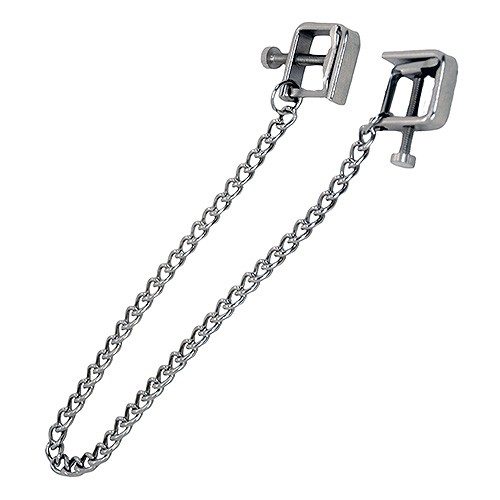
Bound to Please Heavy Duty Nipple Clamp – these adjustable press clamps are great for punishing (or rewarding) any disobedient slave as the intensity can be set precisely with the twist pins and the clamps can be further tugged on with the heavy-duty metal chain causing even more pleasure (and pain).
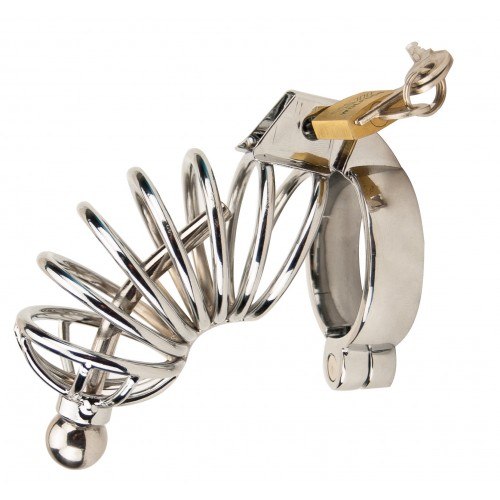
Impound Corkscrew Male Chastity Device with Penis Plug – Chastity devices control and prevent access to the genitals of the wearer for the purposes of forced abstinence. This Impound metal cock cage takes things to the next level with a urethra plug that makes escaping the device harder and causes general discomfort. Forced and extended chastity gives the dominant the power to decide when, where and how the slave can experience sexual release, if at all.
Pro Tip: Slave training is definitely not for BDSM beginners, so if you have a newbie customer enquiring about this practice, make sure you direct them to the rich literature that is available online, in books, video tutorials, workshops and from experts. A good place to start is Jay Wiseman’s SM 101 or FetLife.com as these will provide them with all the research and information they’ll need to get started.
That concludes our fifth entry about BDSM and this blog series too. Check back soon for more interesting and informative posts about sex toys, bondage and more.
Have any suggestions about what we should cover next? Struggling with any product type specifically? Have any feedback on this guide? Let us know in the comments section below, we would love to hear from you!
